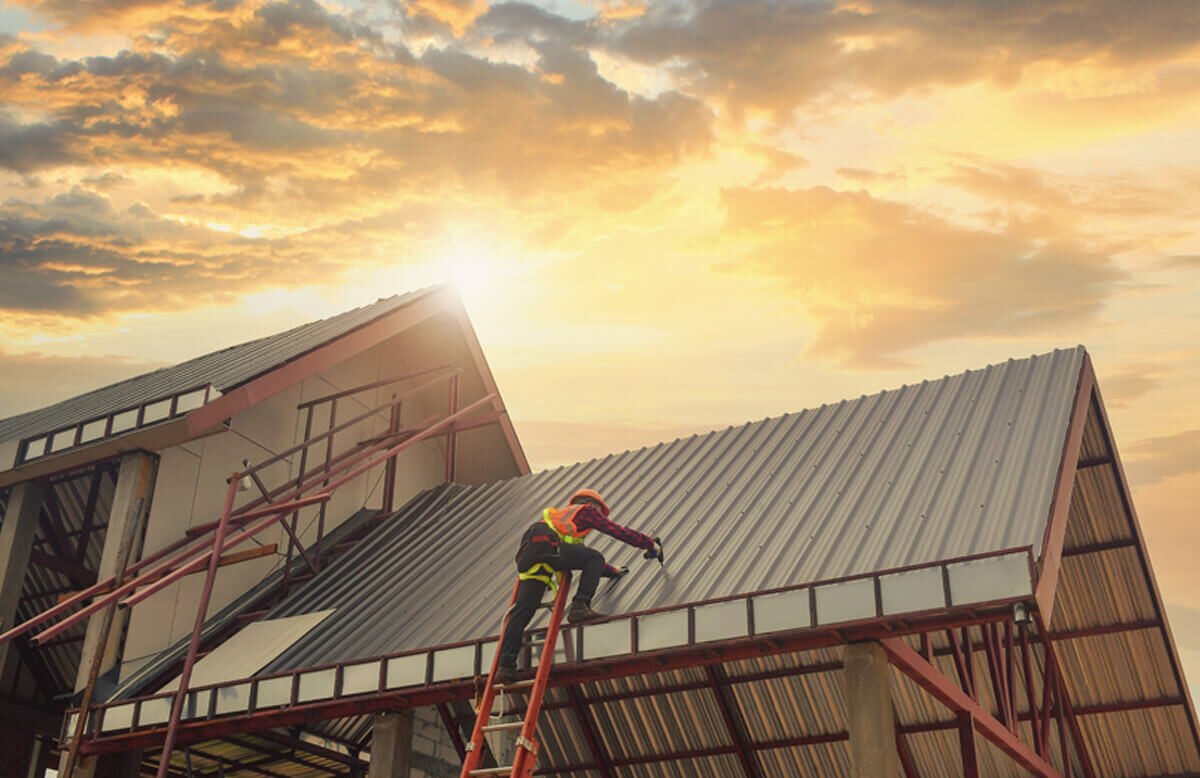
Top Trends in Retail Construction Services in Austin TX: What You Need to Know
Austin, TX, is rapidly emerging as a vibrant hub for retail development, blending innovative design with cutting-edge construction techniques to create dynamic shopping environments. As the city continues to grow, retail construction services are evolving to meet the demands of modern consumers and business owners alike. From sustainable building practices to smart technology integration and adaptive space planning, staying informed about the latest trends is essential for retailers, developers, and investors aiming to succeed in this competitive market. In this blog post, we’ll explore the top trends shaping retail construction services in Austin TX, providing you with the insights you need to stay ahead and make informed decisions in this ever-changing landscape.
1. Overview of the Retail Construction Market in Austin, TX
Austin, TX has experienced remarkable growth in recent years, and its retail construction market is no exception. As one of the fastest-growing cities in the United States, Austin’s booming population and thriving economy have fueled a surge in demand for new retail spaces, renovations, and modern commercial developments. From trendy boutiques and specialty stores to large shopping centers and mixed-use developments, the retail construction sector is evolving rapidly to meet the needs of both businesses and consumers.
The market in Austin is characterized by a blend of innovative design, sustainability initiatives, and adaptive reuse of existing structures, reflecting the city’s unique culture and commitment to environmental responsibility. Developers and contractors are increasingly focusing on creating spaces that enhance the shopping experience while incorporating energy-efficient technologies and smart building solutions.
Moreover, Austin’s retail construction is influenced by the city’s dynamic demographics and lifestyle trends, with an emphasis on walkability, community engagement, and integration with outdoor spaces. Whether you’re a retailer planning to open a new location or an investor looking to tap into Austin’s vibrant retail scene, understanding these market dynamics is crucial for making informed decisions and capitalizing on emerging opportunities.
2. Impact of Population Growth on Retail Construction
Austin, TX has been experiencing rapid population growth over the past decade, and this surge is having a profound impact on the retail construction landscape. As more people move into the city, the demand for retail spaces from shopping centers and boutiques to grocery stores and dining establishments is booming. Developers and retailers are racing to keep up with the influx by investing in new construction projects that cater to the expanding community’s diverse needs.
This population increase not only drives the quantity of retail construction but also influences its design and functionality. Retail spaces are now being built with a focus on flexibility, sustainability, and integrating technology to enhance customer experience. Mixed-use developments that combine retail with residential and office spaces are becoming increasingly popular, reflecting the city’s growing preference for walkable, community-oriented environments.
Furthermore, the demographic shifts within Austin such as a younger, tech-savvy population and a rise in multicultural communities are shaping the types of retail services and experiences that are in demand. Construction companies specializing in retail must, therefore, stay attuned to these trends to deliver spaces that resonate with the city’s evolving consumer base.
In summary, Austin’s population growth is a key driver behind the dynamic and innovative retail construction projects currently shaping the city’s commercial landscape. For businesses and developers, understanding this trend is essential to capitalizing on the opportunities it presents.
3. Sustainable and Green Building Practices
As Austin continues to grow as a vibrant and eco-conscious city, sustainable and green building practices have become a major focus in retail construction services. Retailers and developers alike are recognizing the importance of minimizing environmental impact while creating inviting, energy-efficient spaces that appeal to today’s environmentally aware consumers. From using recycled and locally sourced materials to incorporating energy-efficient lighting, HVAC systems, and water-saving fixtures, sustainable construction methods are transforming the retail landscape in Austin.
Many projects now aim for certifications such as LEED (Leadership in Energy and Environmental Design) or Austin Energy Green Building, which not only demonstrate a commitment to sustainability but also often lead to long-term cost savings through reduced utility bills and maintenance costs. Additionally, green roofs, solar panels, and smart building technologies are increasingly integrated to optimize energy use and reduce carbon footprints.
For retail businesses looking to build or renovate in Austin, partnering with construction firms experienced in sustainable practices is essential. These experts understand local regulations, incentives, and best practices that can help streamline the process while ensuring the final build meets both environmental and operational goals. Embracing green building trends not only supports the city’s sustainability mission but also enhances brand reputation and attracts a growing base of eco-conscious customers.
4. Integration of Smart Technology in Retail Spaces
One of the most significant trends shaping retail construction services in Austin TX, is the integration of smart technology within retail spaces. As consumers increasingly expect personalized and seamless shopping experiences, retailers are turning to advanced technologies to meet these demands. From intelligent lighting systems that adjust based on foot traffic and natural light, to IoT-enabled inventory management that ensures shelves are always stocked, smart technology is revolutionizing how retail spaces operate.
In Austin’s competitive retail market, incorporating features like interactive digital displays, contactless payment options, and smart security systems not only enhances the customer experience but also improves operational efficiency. For example, sensors can track customer movement patterns to optimize store layouts, while data collected through these technologies helps retailers make informed decisions about product placement and staffing.
Moreover, sustainability is a key consideration, and smart building systems contribute by reducing energy consumption and lowering operational costs. Retail construction services in Austin are now prioritizing the integration of these cutting-edge technologies from the design phase, ensuring that new or renovated retail spaces are future-ready and capable of adapting to evolving consumer expectations.
Embracing smart technology isn’t just a trend it’s becoming a necessity for retailers aiming to stay relevant and competitive in Austin’s dynamic retail landscape.
5. Rise of Mixed-Use Developments
One of the most significant trends shaping retail construction services in Austin, TX, is the rise of mixed-use developments. These projects combine residential, commercial, and entertainment spaces into a single, cohesive environment creating vibrant communities where people can live, work, shop, and socialize without needing to travel far. In Austin’s rapidly growing urban landscape, mixed-use developments are not only meeting the increasing demand for convenience but also maximizing land use efficiency, which is critical in a city with limited space for expansion.
For retail construction companies, this trend means adapting to more complex design requirements that integrate retail storefronts seamlessly with apartments, offices, and recreational areas. Developers are prioritizing pedestrian-friendly layouts, green spaces, and flexible retail units that can easily evolve with changing consumer preferences. Additionally, these developments often emphasize sustainability and smart technology integration, from energy-efficient building materials to advanced HVAC systems and digital wayfinding.
By embracing mixed-use projects, retail construction services in Austin are helping to foster dynamic, walkable neighborhoods where retail thrives alongside residential living. For businesses, this translates into higher foot traffic, diverse customer bases, and opportunities to create unique shopping experiences that blend seamlessly into the lifestyle of the community. Understanding this trend is essential for anyone involved in retail construction or development in Austin, as it represents a forward-thinking approach that aligns with the city’s growth and evolving consumer behaviors.
6. Focus on Flexible and Adaptive Store Designs
In today’s rapidly evolving retail landscape, focusing on flexible and adaptive store designs has become essential for businesses in Austin, TX. Retail spaces are no longer static environments; they need to accommodate changing consumer behaviours, seasonal product shifts, and emerging technologies with ease. Flexible store designs allow retailers to quickly reconfigure layouts, update displays, and create multi-functional areas that can serve various purposes from in-store events to pop-up shops without requiring extensive renovations.
Adaptive designs also incorporate modular fixtures, movable walls, and versatile lighting systems that can transform a space to suit different branding campaigns or customer experiences. By prioritizing flexibility, retailers not only enhance customer engagement but also future-proof their investments, ensuring their stores remain relevant and competitive as market trends and shopper expectations continue to evolve. In a vibrant retail market like Austin, embracing adaptive design strategies can set your business apart and drive sustained growth.
7. Trends in Retail Store Layout and Customer Experience
In today’s competitive retail landscape, store layout and customer experience have become critical factors that can make or break a business. In Austin, TX, retail construction services are increasingly focusing on innovative design elements that not only attract customers but also enhance their overall shopping experience. One notable trend is the shift towards open, flexible floor plans that allow retailers to easily adapt their spaces for seasonal promotions, pop-up shops, or interactive displays. This flexibility helps keep the store environment fresh and engaging, encouraging repeat visits.
Additionally, the integration of technology within the store layout is becoming more prevalent. From interactive kiosks and digital signage to smart fitting rooms equipped with augmented reality, these tech-driven features create immersive experiences that resonate with today’s digitally savvy consumers. Retailers are also prioritizing comfort and convenience by incorporating lounge areas, charging stations, and intuitive navigation paths that make shopping more enjoyable and less stressful.
Sustainability is another key consideration influencing store design in Austin. Many new retail spaces are being constructed with eco-friendly materials and energy-efficient systems, reflecting both consumer values and local regulations. By blending thoughtful layout strategies with advanced technology and sustainable practices, retail construction services in Austin are helping businesses create environments that not only drive sales but also build lasting customer loyalty.
8. Use of Prefabrication and Modular Construction
In recent years, the retail construction landscape in Austin, TX, has seen a significant shift towards the use of prefabrication and modular construction methods. These innovative approaches involve assembling building components off-site in controlled factory environments before transporting them to the construction site for quick installation. This trend offers multiple advantages that are particularly appealing to retailers looking to reduce downtime and speed up project delivery.
Prefabrication and modular construction minimize on-site labor requirements and mitigate the impact of weather delays, resulting in faster completion times and more predictable schedules. For retail businesses, this means they can open new stores or renovate existing spaces more quickly, capitalizing on market opportunities without prolonged disruption. Additionally, factory-controlled conditions often lead to higher quality control, reducing the likelihood of costly rework.
Furthermore, these methods promote sustainability by optimizing material usage and reducing construction waste an important consideration in today’s eco-conscious market. Austin’s retail sector, known for its rapid growth and competitive environment, is increasingly adopting prefabrication and modular solutions to stay ahead. Whether it’s a boutique storefront or a large retail chain, embracing these construction innovations helps businesses achieve efficiency, cost savings, and faster time-to-market in an ever-evolving retail landscape.
9. Impact of E-commerce on Physical Retail Construction
The rapid growth of e-commerce has significantly reshaped the landscape of physical retail construction in Austin, TX. As more consumers turn to online shopping for convenience and variety, retailers are rethinking the design and function of their brick-and-mortar stores to stay relevant and competitive. This shift has led to a noticeable transformation in retail construction projects, emphasizing experiential spaces that offer unique, immersive experiences rather than just transactional shopping.
Retailers in Austin are now investing in creating smaller, more flexible store layouts that integrate technology and foster community engagement. Instead of large, inventory-heavy spaces, many new constructions focus on showcasing curated product selections, interactive displays, and areas for events or workshops. This approach not only complements online sales but also drives foot traffic by providing customers with reasons to visit in person.
Additionally, the rise of omnichannel retailing has prompted the incorporation of features like buy-online-pickup-in-store (BOPIS) zones and efficient logistics areas within retail spaces. These adaptations require thoughtful planning and innovative construction solutions to seamlessly blend digital and physical shopping experiences
Overall, the influence of e-commerce is pushing retail construction in Austin toward more agile, customer-centric designs that prioritize experience, convenience, and integration with digital platforms trends that are shaping the future of the local retail industry.
10. Local Regulations and Zoning Considerations
When undertaking retail construction projects in Austin, TX, understanding local regulations and zoning considerations is absolutely essential. Austin has a unique blend of historic districts, rapidly developing neighborhoods, and environmentally sensitive areas, all of which come with specific rules that can significantly impact your construction timeline and budget.
Zoning laws in Austin dictate how land can be used, including the types of businesses allowed, building heights, setbacks, and parking requirements. For example, certain areas may be zoned exclusively for commercial use, while others might allow mixed-use developments that combine retail with residential or office spaces. It’s crucial to verify that your retail project aligns with these zoning requirements before breaking ground to avoid costly delays or redesigns.
In addition, Austin’s commitment to sustainability and green building practices means that your construction plans may need to comply with energy efficiency standards and environmental impact assessments. The city often encourages developers to incorporate eco-friendly materials, renewable energy systems, and water conservation measures, which could influence both design and construction methods.
Working closely with local planning departments, zoning boards, and experienced retail construction professionals can help you navigate these regulations smoothly. Early engagement ensures all permits are secured on time and that your project is compliant with Austin’s building codes and ordinances, ultimately paving the way for a successful retail space that meets both your business goals and the city’s standards.
11. Key Players and Contractors in Austin’s Retail Construction Scene
Austin’s retail construction market is thriving, thanks in large part to a group of key players and contractors who bring expertise, innovation, and reliability to every project. These companies specialize in creating dynamic retail spaces that meet the unique demands of Austin’s diverse and rapidly growing consumer base.
Among the top contractors, firms such as DPR Construction, JE Dunn Construction, and Balfour Beatty stand out for their extensive experience in retail developments, ranging from boutique stores to large shopping centers. These companies are known for their ability to manage complex timelines, coordinate with multiple stakeholders, and deliver high-quality finishes that align with brand identities.
In addition to nationally recognized firms, Austin is home to a robust selection of local contractors who offer personalized service and deep knowledge of the city’s zoning laws, building codes, and sustainability initiatives. Companies like Structure Development and White Construction bring a hands-on approach that ensures projects stay on budget and are completed on schedule.
What sets these key players apart is their commitment to integrating cutting-edge technology and sustainable building practices, which is becoming increasingly important in retail construction. From energy-efficient lighting and HVAC systems to eco-friendly materials, these contractors help retailers not only build attractive spaces but also reduce operating costs and minimize environmental impact.
For anyone looking to navigate Austin’s retail construction landscape, partnering with these experienced contractors is essential. Their local expertise, combined with a forward-thinking approach, ensures that retail projects are not only functional and visually appealing but also future-ready in a competitive market.
12. Budgeting and Cost Management Trends
Effective budgeting and cost management have become increasingly critical in retail construction projects in Austin, TX, especially as the market continues to evolve with new challenges and opportunities. One notable trend is the adoption of advanced project management software that provides real-time tracking of expenses, helping contractors and developers stay within budget while maintaining transparency with stakeholders. Additionally, many firms are embracing value engineering techniques early in the design phase to optimize material selection and construction methods without compromising quality or aesthetics.
This proactive approach allows for better control over costs and minimizes unexpected expenses during construction. Moreover, with the rise of sustainable building practices, budgeting now often includes considerations for energy-efficient materials and technologies, which may have higher upfront costs but lead to significant long-term savings. By integrating these budgeting and cost management strategies, retail construction projects in Austin can achieve financial efficiency while delivering high-quality spaces that meet the demands of today’s retailers and consumers.
13. Timeline and Project Management Innovations
In the fast-paced world of retail construction in Austin, TX, staying ahead means embracing the latest innovations in timeline and project management. Modern construction projects demand not only precision but also agility to adapt to changing circumstances, and new technologies are making this possible like never before.
One of the most significant advancements is the integration of Building Information Modeling (BIM) with real-time project management software. This combination allows project teams to visualize every phase of construction, identify potential bottlenecks before they occur, and coordinate tasks seamlessly across multiple contractors and suppliers. As a result, timelines can be more accurately predicted and adjusted dynamically, reducing costly delays.
Additionally, the rise of cloud-based collaboration platforms enables stakeholders from architects and contractors to retail clients to communicate instantly, share updates, and approve changes on the go. This transparency and accessibility ensure everyone stays aligned, fostering accountability and speeding up decision-making processes.
Moreover, incorporating AI-driven analytics into project management tools helps forecast risks and resource needs, optimizing schedules and budget allocations. Automated alerts and progress tracking keep teams proactive rather than reactive, helping retail construction projects in Austin meet their deadlines without sacrificing quality.
For retail businesses eager to open their doors on time, these timeline and project management innovations are game-changers. By leveraging cutting-edge technology and streamlined workflows, construction teams can deliver projects efficiently, helping retailers capitalize on market opportunities faster than ever before.
14. Case Studies of Recent Retail Construction Projects in Austin
Austin, TX, has seen a remarkable boom in retail construction over the past few years, fueled by its rapidly growing population and vibrant local economy. To truly understand the latest trends shaping this sector, it’s helpful to examine some recent case studies that highlight innovative approaches and best practices in retail construction services.
One standout example is the redevelopment of the Domain NORTHSIDE, a mixed-use retail and entertainment district that has become a hotspot for both locals and visitors. This project emphasized sustainable building practices, incorporating energy-efficient lighting, smart HVAC systems, and eco-friendly materials, aligning with Austin’s commitment to green construction. The design also focused heavily on creating flexible, open spaces that can easily adapt to changing retail needs, a trend that many new projects are adopting to future-proof investments.
Another notable project is the renovation of South Congress Avenue’s retail strip, where construction firms prioritized preserving the area’s historic charm while upgrading infrastructure to modern standards. This blend of old and new appeals to Austin’s unique cultural vibe, attracting boutique retailers and enhancing customer experience through improved accessibility and inviting storefronts.
These case studies reflect broader trends such as sustainability, adaptability, and community integration, which are becoming standard expectations in Austin’s retail construction landscape. By analyzing these projects, stakeholders can gain valuable insights into how to approach future developments, ensuring they meet both commercial goals and the city’s evolving aesthetic and environmental values.
15. Future Outlook for Retail Construction Services in Austin
As Austin continues to experience rapid growth and development, the future outlook for retail construction services in the city remains exceptionally promising. With a thriving economy, an expanding population, and a vibrant entrepreneurial spirit, demand for innovative and adaptive retail spaces is expected to surge. Retailers are increasingly seeking construction services that not only deliver aesthetically appealing designs but also incorporate sustainable building practices and smart technology integrations to enhance customer experience.
Moreover, the shift towards mixed-use developments and experiential retail is shaping how construction projects are planned and executed in Austin. Retail construction companies are adapting by emphasizing flexibility in design, allowing spaces to evolve alongside changing consumer behaviors and market trends. Additionally, the emphasis on local sourcing and eco-friendly materials aligns with Austin’s community values, further driving the demand for specialized construction expertise.
In summary, the retail construction landscape in Austin is set to become more dynamic and technology-driven, offering exciting opportunities for contractors, developers, and retailers alike. Staying informed on these trends and investing in forward-thinking construction strategies will be key for businesses looking to thrive in this competitive market.
As Austin continues to grow as a vibrant retail hub, staying informed about the latest trends in retail construction services is essential for businesses looking to make a lasting impact. From sustainable building practices to innovative design technologies and flexible, customer-centric layouts, these trends are shaping the future of retail spaces across the city. By embracing these developments, retailers and developers alike can create engaging environments that not only attract customers but also enhance operational efficiency. We hope this insight empowers you to make informed decisions and stay ahead in Austin’s dynamic retail landscape. Stay tuned for more updates as the industry continues to evolve!


